Overview
Brief History
Rumanyika-Karagwe National Park, established in 2019, covers 247 km² in northwestern Tanzania near the Rwanda border. Upgraded from a game reserve, it’s managed by TANAPA and protects savanna ecosystems, supporting antelopes, zebras, and buffalo in a remote wilderness setting.
Climate and Accessibility
Accessible by road from Bukoba (120 km, 2-3 hours) or charter flights to nearby airstrips. The dry season (June-October) is best for wildlife viewing, with temperatures of 20-28°C. The wet season (November-April) brings 800-1,200 mm rainfall, making some roads challenging.
Highlights
- Savanna ecosystems
- Topi and hartebeest
- Zebra and buffalo herds
- Over 150 bird species
- Remote wilderness
- Kagera River proximity
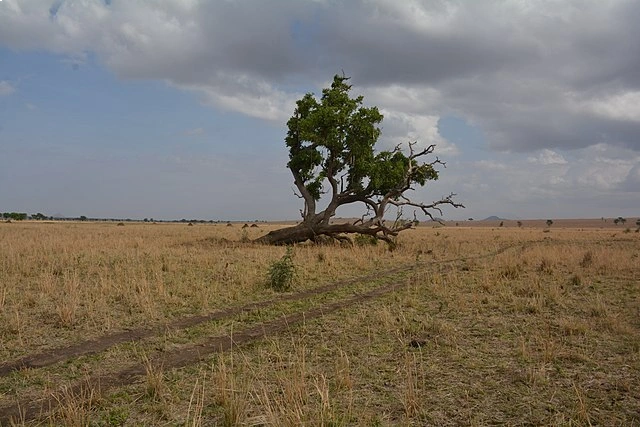
Savanna Plains
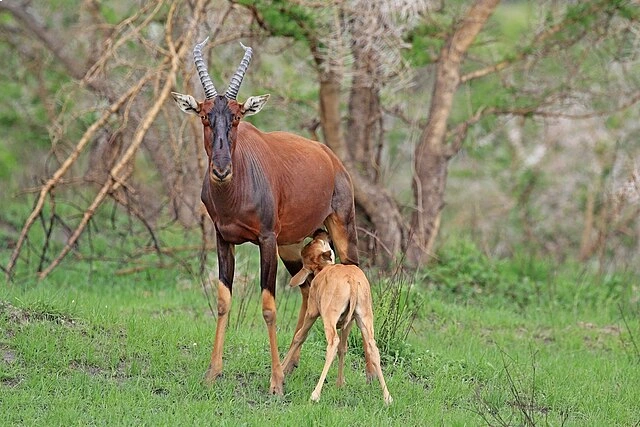
Topi Antelope
Tourism Activities
Game Drive: Spot topi, zebras, and buffalo in open savannas.
Walking Safari: Guided walks to explore smaller wildlife and flora.
Birdwatching: Observe over 150 species, including grey crowned cranes.
Photography Safari: Capture the park’s pristine savanna landscapes.
Accommodation
- Public campsites with basic facilities (flush/pit toilets, showers).
- Limited tented camps; nearby lodges in Bukoba recommended.

Campsite

Tented Camp
Pricing
Entry fees: $59/adult (high season, July-March, May-June), $53.10/adult (low season, April). Camping: $35.40/adult/night. Concession fee: $35.40/adult/night. Payments via credit card or TANAPA smart card. Click here to view our packages or request a tailored tour below.
Plan Your Adventure
Fill out the form below to inquire/book your tour. Our team will contact you to confirm your booking and finalize details.
Customer Reviews
“Amazing value for money! Saw so much wildlife!” – Emma, UK, Apr 2025
“The camping was fun, and the guides were fantastic.” – Liam, Australia, Mar 2025
“Great budget option, loved the Serengeti!” – Sofia, Canada, Feb 2025
Frequently Asked Questions
Comfortable clothing, sturdy shoes, hat, sunscreen, insect repellent, and a camera.
Most nationalities require a visa for Tanzania. Check with your embassy.
Yes, campsites are secure with trained staff and fenced areas where needed.
June–October for dry season and wildlife viewing; January–February for calving season.