Overview
Brief History
Established in 1959, the Ngorongoro Conservation Area spans 8,292 km² in northern Tanzania. Managed by the NCAA, it’s a UNESCO World Heritage Site (1979) and a unique multiple land-use area where Maasai pastoralists coexist with wildlife. The Ngorongoro Crater, a 260 km² caldera, is a global biodiversity hotspot.
Climate and Accessibility
Accessible by road from Arusha (180 km, 3-4 hours) or charter flights to Ndutu airstrip. The dry season (June-October) is best for wildlife viewing, with temperatures of 15-25°C. The wet season (November-April) brings 500-800 mm rainfall, enhancing greenery but making some roads slippery.
Highlights
- Ngorongoro Crater
- Big Five (lion, leopard, elephant, buffalo, rhino)
- Olduvai Gorge
- Maasai culture
- Over 500 bird species
- Empakai Crater
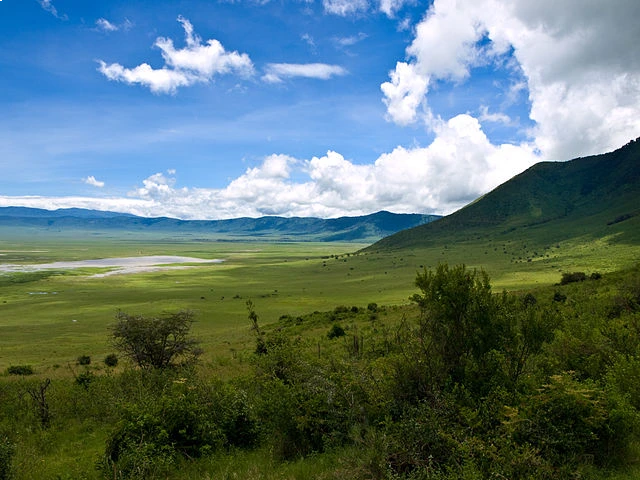
Ngorongoro Crater
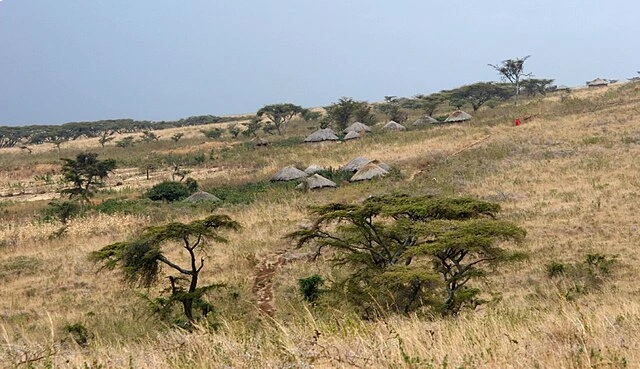
Maasai Village
Tourism Activities
Crater Game Drive: Spot the Big Five and wildebeest in the Ngorongoro Crater.
Cultural Tours: Visit Maasai bomas to learn about their traditions.
Archaeological Tours: Explore Olduvai Gorge, a key hominid fossil site.
Walking Safari: Trek Empakai Crater or highlands with Maasai guides.
Accommodation
- Public campsites with basic facilities (flush/pit toilets, showers).
- Luxury lodges like Ngorongoro Serena Lodge and andBeyond Ngorongoro Crater Lodge.
- Tented camps such as Lemala Ngorongoro Camp.

Campsite

Luxury Lodge
Pricing
Entry fees: $70.80/adult/day (year-round). Crater service fee: $295/vehicle/day. Camping: $35.40/adult/night. Concession fee: $59/adult/night for lodges/camps. Payments via credit card or NCAA smart card. Click here to view our packages or request a tailored tour below.
Plan Your Adventure
Fill out the form below to inquire/book your tour. Our team will contact you to confirm your booking and finalize details.
Customer Reviews
“Amazing value for money! Saw so much wildlife!” – Emma, UK, Apr 2025
“The camping was fun, and the guides were fantastic.” – Liam, Australia, Mar 2025
“Great budget option, loved the Serengeti!” – Sofia, Canada, Feb 2025
Frequently Asked Questions
Comfortable clothing, sturdy shoes, hat, sunscreen, insect repellent, and a camera.
Most nationalities require a visa for Tanzania. Check with your embassy.
Yes, campsites are secure with trained staff and fenced areas where needed.
June–October for dry season and wildlife viewing; January–February for calving season.