Overview
Brief History
Mahale Mountains National Park, established in 1985, covers 1,613 km² along Lake Tanganyika in western Tanzania. Known for its chimpanzee research, it hosts one of the largest wild chimpanzee populations, studied since the 1960s by Japanese researchers. Managed by TANAPA, it features lush forests, mountains, and pristine lake shores.
Climate and Accessibility
Accessible by boat from Kigoma (130 km, 3-4 hours) or charter flights to Mahale airstrip. The dry season (May-October) is best for chimpanzee tracking, with temperatures of 20-30°C. The wet season (November-April) brings 1,500-2,000 mm rainfall, making trails slippery.
Highlights
- Chimpanzee tracking
- Lake Tanganyika beaches
- Mahale Mountains
- Red colobus monkeys
- Nkungwe Peak
- Birdlife (over 300 species)
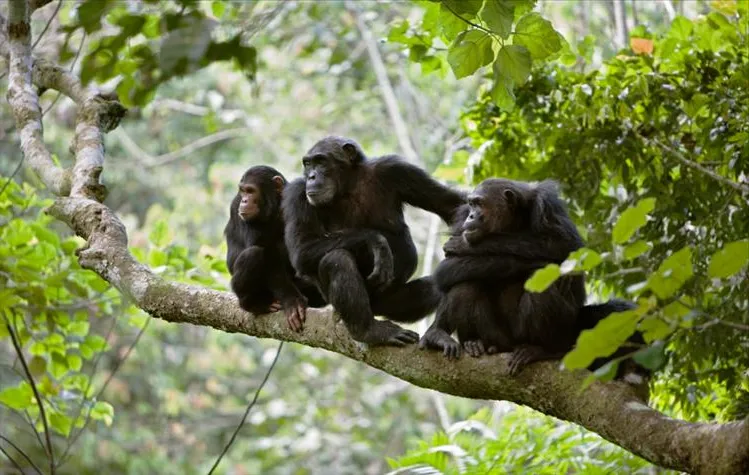
Chimpanzees
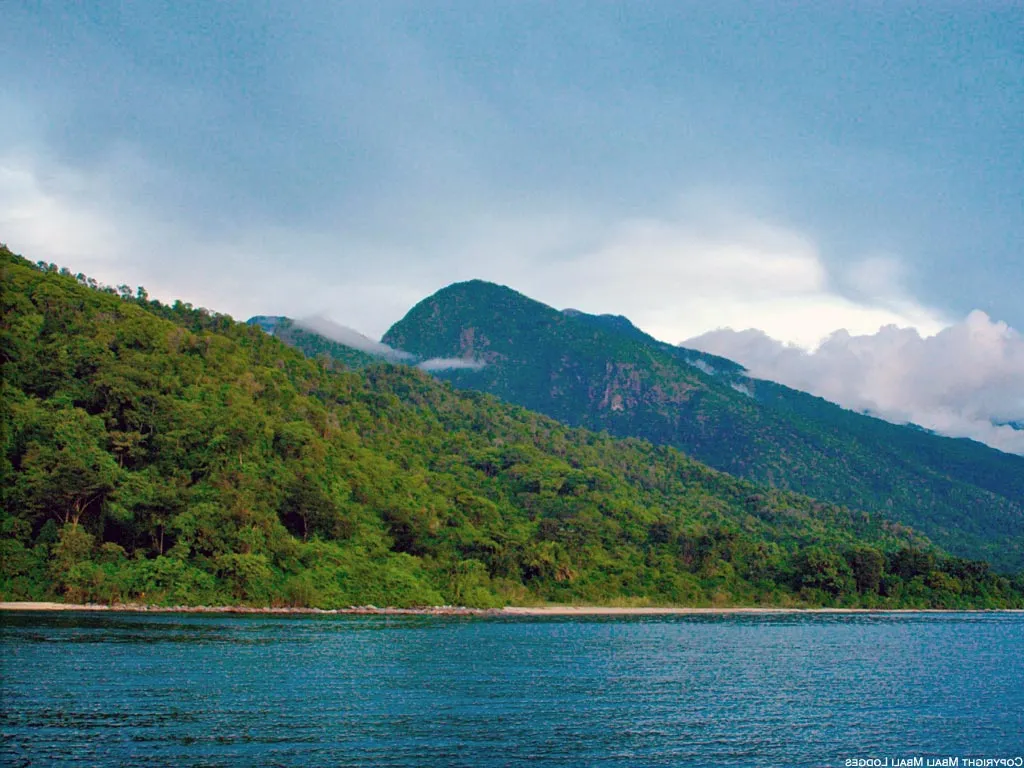
Lake Tanganyika
Tourism Activities
Chimpanzee Tracking: Guided treks to observe chimpanzees ($118/adult, 1-2 hours, morning sessions).
Walking Safari: Explore forests for primates and scenic trails.
Boat Safari: Cruise Lake Tanganyika for waterbirds and scenic views.
Snorkeling and Swimming: Enjoy the lake’s clear waters and cichlid fish.
Hiking: Trek to Nkungwe Peak for panoramic views.
Accommodation
- Public campsites with basic facilities.
- Luxury lodges like Greystoke Mahale.
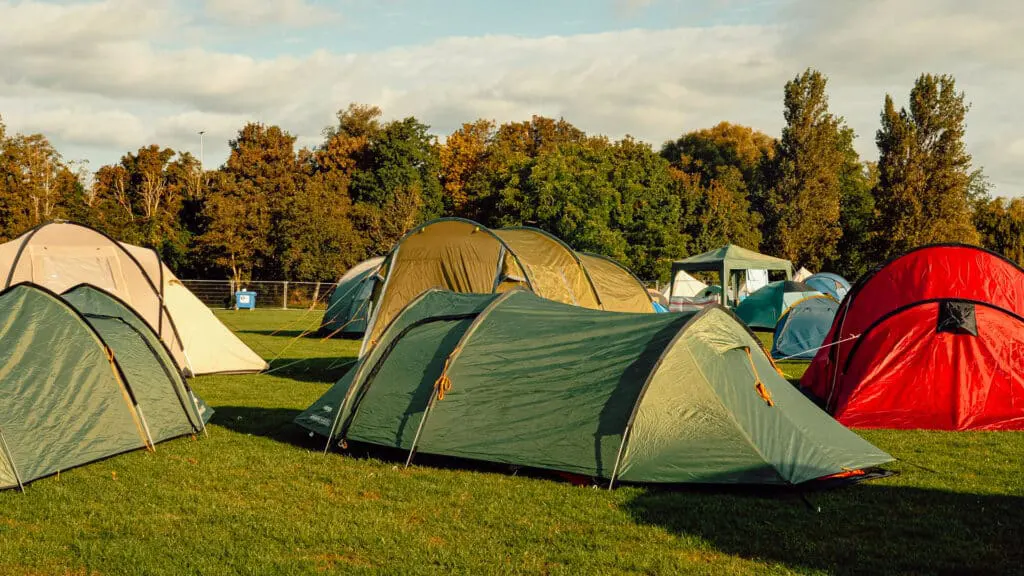
Campsite

Lodge
Pricing
Entry fees: $94.40/adult (high season), $82.60/adult (low season). Chimpanzee tracking: $118/adult. Camping: $59/adult. Payments via credit card or TANAPA smart card. Click here to view our packages or request a tailored tour below.
Plan Your Adventure
Fill out the form below to inquire/book your tour. Our team will contact you to confirm your booking and finalize details.
Customer Reviews
“Amazing value for money! Saw so much wildlife!” – Emma, UK, Apr 2025
“The camping was fun, and the guides were fantastic.” – Liam, Australia, Mar 2025
“Great budget option, loved the Serengeti!” – Sofia, Canada, Feb 2025
Frequently Asked Questions
Comfortable clothing, sturdy shoes, hat, sunscreen, insect repellent, and a camera.
Most nationalities require a visa for Tanzania. Check with your embassy.
Yes, campsites are secure with trained staff and fenced areas where needed.
June–October for dry season and wildlife viewing; January–February for calving season.