Overview
Brief History
Arusha National Park, nestled at the foot of Mount Meru, is a jewel of Tanzania’s northern safari circuit, offering a rich tapestry of ecosystems and wildlife. Established in 1960 as Ngurdoto Crater National Park, it was expanded in 1967 to include Mount Meru and renamed Arusha National Park, covering 552 km². The park’s name derives from the Waarusha people who once inhabited the region. Its history traces back to 1876 when Count Teleki noted its abundant wildlife, and in 1907, the Trappe family used the Momella area as a cattle ranch before it was transformed into a game reserve. Today, it’s a haven for biodiversity, managed by the Tanzania National Parks Authority (TANAPA), offering an unforgettable wilderness experience.
Climate and Accessibility
Located just 32 km from Arusha town, the park is easily accessible via a 40-minute drive or 60 km from Kilimanjaro International Airport. The park is open year-round from 6 am to 6 pm, with the best visiting months being the dry seasons: June to September and December to early March. Short rains occur from October to November, while the heavy rainy season spans March to May, which may affect road conditions but enhances the lush scenery.
Highlights
- Serengeti Ndogo (Little Serengeti)
- Uwanja wa Mbogo (Buffalo Glade)
- Ngurdoto Crater
- Momella Lakes
- Tululusia Waterfall
- Mount Meru
- Fig Tree Arch
- Ngarenanyuki River
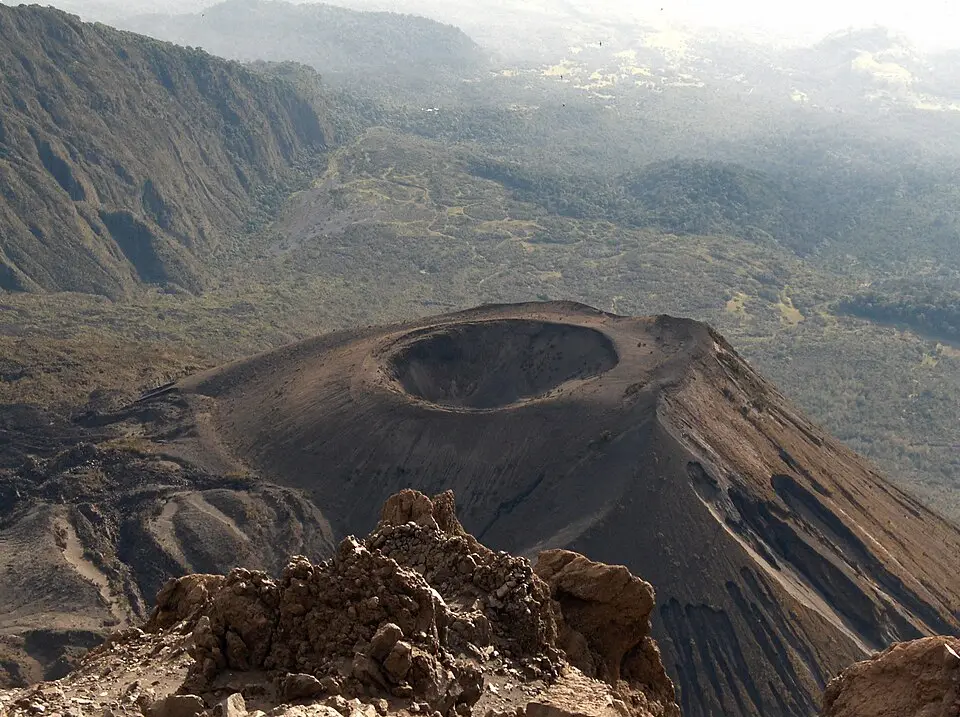
Mount Meru
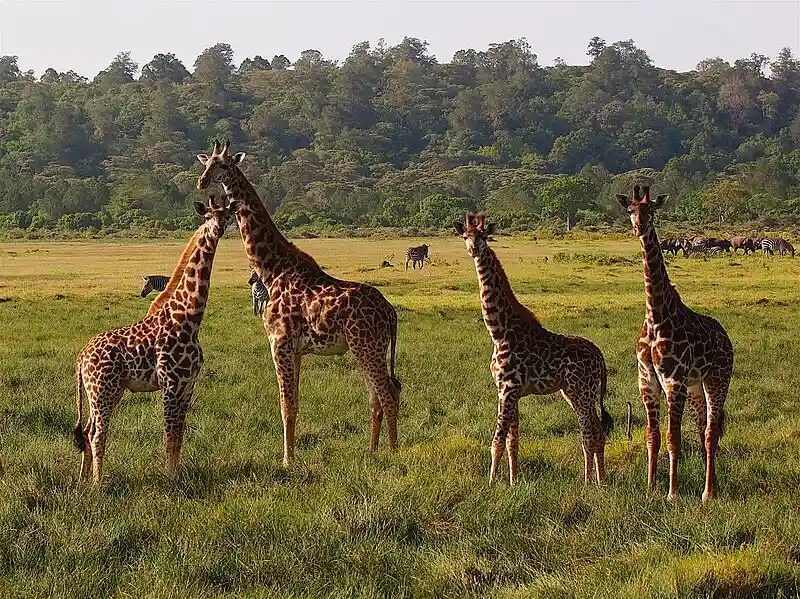
Serengeti Ndogo
Tourism Activities
Game Drive: Explore open glades, grasslands, and montane forests, including Momella Lakes and Fig Tree Arch, for a chance to see giraffes, buffaloes, zebras, and rare black-and-white colobus monkeys.
Walking Safari (Day Hikes): Experience nature up close with six guided nature trails, such as Momella Gate to Tululusia Waterfall and Ngurdoto Crater Rim, offering unique scenery and wildlife encounters. Maximum 4 hours with a ranger.
Canoeing Safari: Paddle on Small Momella Lake in fiberglass canoes (2 people, $24/adult, $12/child, 8+ years) to observe hippos, waterbucks, and waterbirds like flamingos.
Horse Riding Safari: Enjoy a unique perspective of the wilderness, riding closer to wildlife for an immersive experience.
Cycling Tour: Cycle through diverse habitats for a thrilling way to explore the park’s landscapes and wildlife.
Mount Meru Climbing: A 3-4 day trek to the summit of Mount Meru (4,566 m), with overnight stays at Miriakamba (2,500 m) and Saddle huts for acclimatization, offering stunning views and a quieter alternative to Kilimanjaro.
Accommodation
- Public campsites and Rest House, plus mountain accommodation centers at Miriakamba and Saddle with clean flush/pit toilets and showers.
- Lodges inside and near the park, such as Mawe Lodges, Lake Duluti Serena Hotel, and Siringit Kilimanjaro Golf Safari Retreat.

Campsite
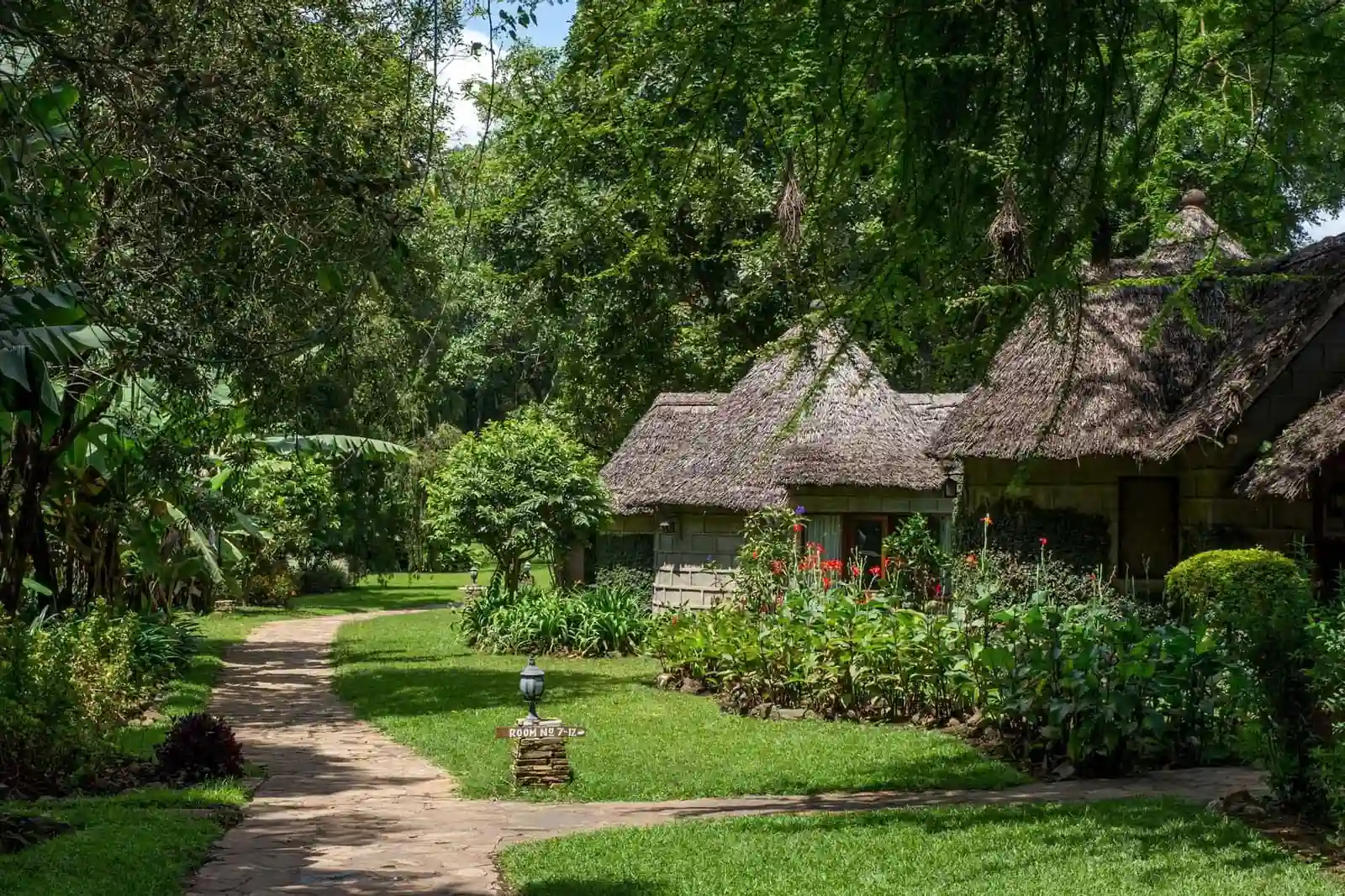
Lodge
Pricing
Entry fees: $59/adult (high season, July-March, May-June), $53.10/adult (low season, April). Camping fees: $70.80/adult (high season, July-September), $59/adult (low season, October-June). Concession fees for lodges/campsites: $47.80/person/night. Payments via credit card (Visa/MasterCard) or TANAPA’s smart card system; cash not accepted. Click here to view our packages or use the form below to request a tailored tour.
Plan Your Adventure
Fill out the form below to inquire/book your tour. Our team will contact you to confirm your booking and finalize details.
Customer Reviews
“Amazing value for money! Saw so much wildlife!” – Emma, UK, Apr 2025
“The camping was fun, and the guides were fantastic.” – Liam, Australia, Mar 2025
“Great budget option, loved the Serengeti!” – Sofia, Canada, Feb 2025
Frequently Asked Questions
Comfortable clothing, sturdy shoes, hat, sunscreen, insect repellent, and a camera.
Most nationalities require a visa for Tanzania. Check with your embassy.
Yes, campsites are secure with trained staff and fenced areas where needed.
June–October for dry season and wildlife viewing; January–February for calving season.